

Whether you’ve just arrived or you’re planning a longer stay, figuring out where to shop is one of the first practical challenges you’ll face. Hua Hin and Pranburi offer a solid mix of well-stocked supermarkets and lively local markets—each with its own advantages depending on what you’re after and how much you want to spend.
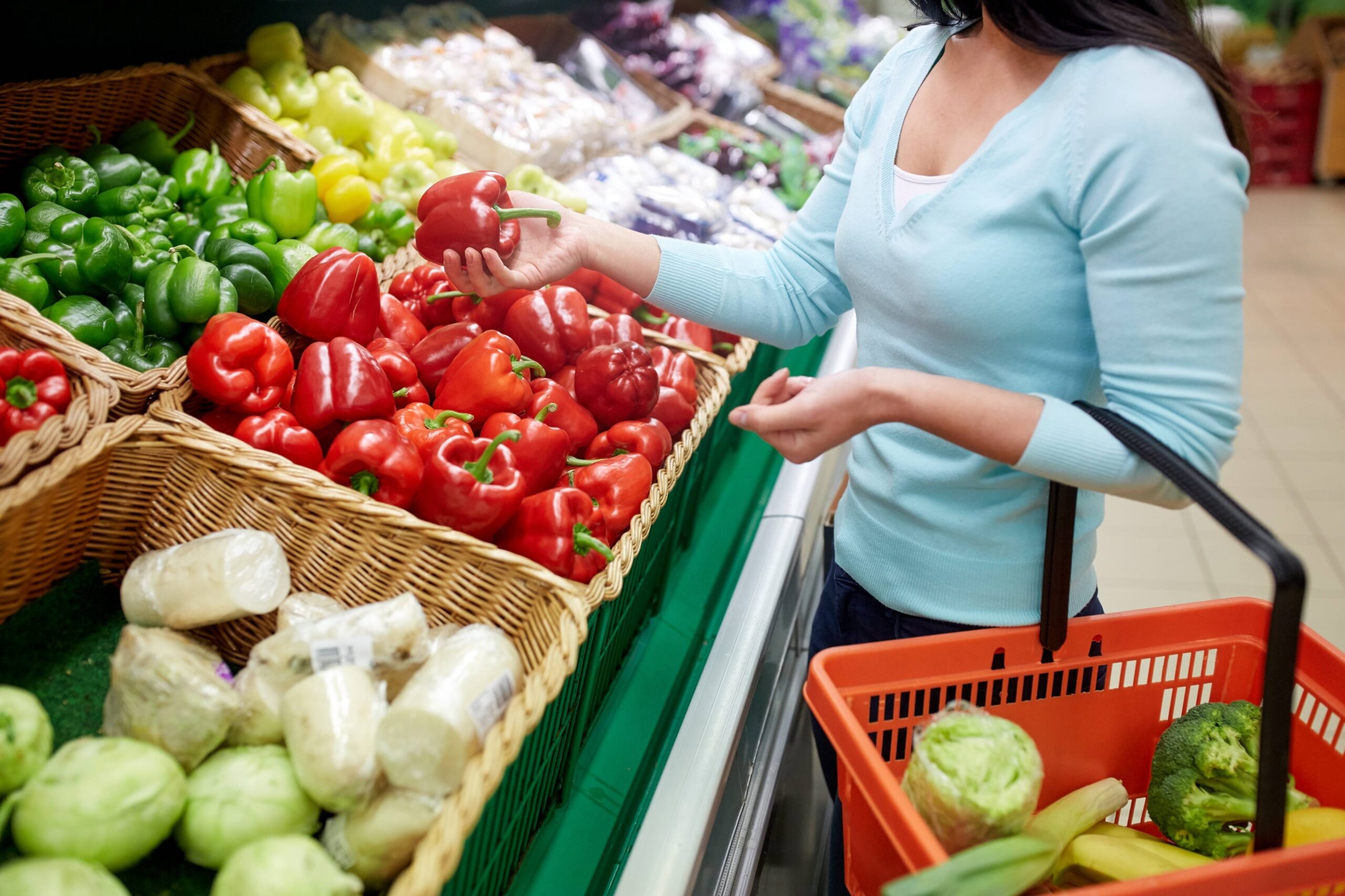
This guide covers the key supermarkets in Hua Hin, the best local market experiences in and around Pranburi, and a few practical tips to help you shop smarter from day one.
Local Markets vs. Supermarkets: Which Should You Choose?
The honest answer? Both. Most residents use a combination of the two.
Local markets are where you’ll find the freshest produce, the best seafood, and the lowest prices. Vendors often sell what’s in season, which means better quality and more variety throughout the year. The trade-off is that you’ll need to go early, bring cash, and sometimes navigate a language barrier.
Supermarkets offer convenience, consistency, and a wide range of imported goods. They’re air-conditioned, accept card payments, and carry everything from Thai staples to Western comfort foods. Prices are higher than the market, but the selection and reliability make them worth it for certain items.
Most people settle into a rhythm: local markets for fresh fruit, vegetables, meat, and seafood; supermarkets for packaged goods, dairy, imported items, and anything that requires a label you can read.
Best Supermarkets in Hua Hin
Hua Hin has a strong supermarket scene, with options at every price point.
Lotus’s at Market Village
Consistently rated as one of the best all-round supermarkets in Hua Hin, Lotus’s at Market Village on Phet Kasem Road is a solid first stop. It’s a full hypermarket with a wide range of fresh produce, household goods, and imported foods. Open until 10 PM, it’s conveniently located within the Market Village shopping mall, so you can combine your grocery run with other errands.
Makro Hua Hin
If you’re buying in bulk or catering for a group, Makro is worth the trip. It operates on a wholesale model, so prices are lower per unit—particularly for meat, rice, cooking oil, and beverages. Located on Bo Fai Alley, it’s a favourite among restaurants and households alike. Open until 10 PM.
Villa Market
Villa Market has two locations in Hua Hin: one on Phet Kasem Road and another at Index Living Mall on Soi Mooban Borfai. Both are well-regarded for imported and premium quality products. If you’re looking for specific European cheeses, international wines, or hard-to-find condiments, Villa Market is where to start. Prices are higher, but the selection justifies it.
Big C — Bluport and Standard
Big C operates two stores in the area. The Big C Marché at Bluport is the newer of the two and is reported to offer prices noticeably lower than some competitors for everyday items. The standard Big C on Soi Mooban Khao Noi is a reliable option for weekly staples. Both close at 9 PM.
Tops Market
Located on Phet Kasem Road, Tops is a mid-range supermarket with a solid fresh produce section and a good range of Thai and imported goods. It’s particularly strong on meat quality when you know which counters to check. Open until 10 PM.
Golden Place
A smaller but well-regarded option on Phet Kasem Road, Golden Place closes earlier at 8 PM but is known for quality items and a loyal local following. Worth visiting if you’re after something specific and the larger chains haven’t delivered.
Local Market Experiences in Pranburi
Pranburi has a quieter, more local feel than Hua Hin, and its markets reflect that. They’re less touristy, often cheaper, and give you a more authentic sense of how people in the area actually shop and eat.
Pranburi’s Old Market
One of the most well-known spots in the area, Pranburi’s Old Market is only open on Saturday evenings. It’s a walking street-style market where food goes fast—arrive early if you want the best selection. Vendors sell cooked food, fresh produce, snacks, and local specialties. It’s as much a social event as a shopping trip.
Pak Nam Pran Fishing Village
For fresh seafood, Pak Nam Pran is the place to go. This fishing village just south of Pranburi offers some of the freshest catches in the region—prawns, squid, crab, and whole fish, all sourced directly from local boats. Prices are low and quality is high. It’s a short drive from most parts of Pranburi and well worth building into your weekly routine if seafood features heavily in your cooking.
Daily Morning Markets
Pranburi has smaller daily morning markets that open early and close by mid-morning. These are where locals pick up vegetables, fruit, grilled meats, and breakfast staples. Timing is everything—arrive between 6 AM and 8 AM for the best selection.
Tips for Shopping Like a Local
A few practical adjustments will make your grocery shopping faster, cheaper, and more enjoyable:
- Bring your own bags. Thailand has significantly reduced single-use plastic bags at major retailers. Reusable bags are expected and appreciated.
- Carry cash to local markets. Most market vendors don’t accept cards. Some now accept QR code payments via PromptPay, but cash remains the safest option.
- Shop early at fresh markets. The best produce, meat, and cooked food sells out by mid-morning. Early visits also mean cooler temperatures.
- Buy seasonal fruit. Thailand’s fruit calendar is year-round but varies by variety. Buying what’s in season at the market is almost always better value and better quality than buying imported or off-season produce at a supermarket.
- Compare across stores. Prices for the same product can vary significantly between supermarkets. Big C @ Bluport, for example, is often cheaper than Market Village for everyday items. It’s worth doing a quick comparison run when you first arrive.
- Learn a few Thai phrases. Even basic phrases—asking for a price or saying “not spicy”—go a long way in local markets and help build rapport with vendors.
Making the Most of Shopping in Hua Hin and Pranburi
Hua Hin’s supermarket infrastructure is mature and well-suited to residents and long-stay visitors alike. Pranburi’s charm lies in its local market scene—smaller, fresher, and more connected to the rhythms of the community.
The most effective approach is to combine both: use supermarkets for packaged goods, imported products, and convenience; rely on local markets for fresh produce and seafood. Once you find the vendors and stores that work for you, the whole process becomes routine.
Start with a visit to Lotus’s or Makro for your pantry basics, then explore Pak Nam Pran for seafood and your nearest morning market for daily fresh produce. Within a few weeks, you’ll have a system that keeps costs down and quality high.